
Skip to content
REGIONAL ANIMAL-PROTEIN INFRASTRUCTURE, BEGINNING WITH BEEF — CHAMPLAIN VALLEY, VERMONT
Kingston Place logo mark
KINGSTON PLACE
THE PLATFORM

One coordination layer across six functions.

In most regions, animal-protein supply, finishing, processing, logistics, traceability, and buyer fulfillment sit with separate, disconnected parties — each optimizing for itself. Kingston Place coordinates all six as one operating system, beginning with beef.

THE OPERATING SYSTEM

ONE CHAIN.
ONE STANDARD.
ONE RECORD.

Five operating stages run left to right. Two things run across all of them: the standard Kingston Place sets and enforces, and the animal-level record that carries identity from land to finished product. Coordination is what happens in the horizontal bands, not the vertical boxes.

KINGSTON PLACE — STANDARD · SCHEDULING · COUNTERPARTY CONTROL GOVERNANCE LAYER
01

Origination

Owned herd and qualified regional producers aggregated against one written specification. Multiple ownership structures can move cattle through the same controlled operating system.

OPERATING NOW
02

Finishing

Champlain Valley acreage carrying calving, forage, backgrounding, and finishing.

OPERATING NOW
03

Processing

USDA-inspected processing pathways identified through qualified third-party plants, with capacity under negotiation.

QUALIFIED THIRD PARTY
04

Logistics

Refrigerated freight and delivery scheduled against harvest dates rather than booked ad hoc.

QUALIFIED THIRD PARTY
05

Markets

Restaurant, institutional, retail, and direct channels matched to scheduled volume.

PLANNED EXPANSION
ANIMAL-LEVEL RECORD — IDENTITY HELD FROM LAND TO FINISHED PRODUCT UNDER ACTIVATION
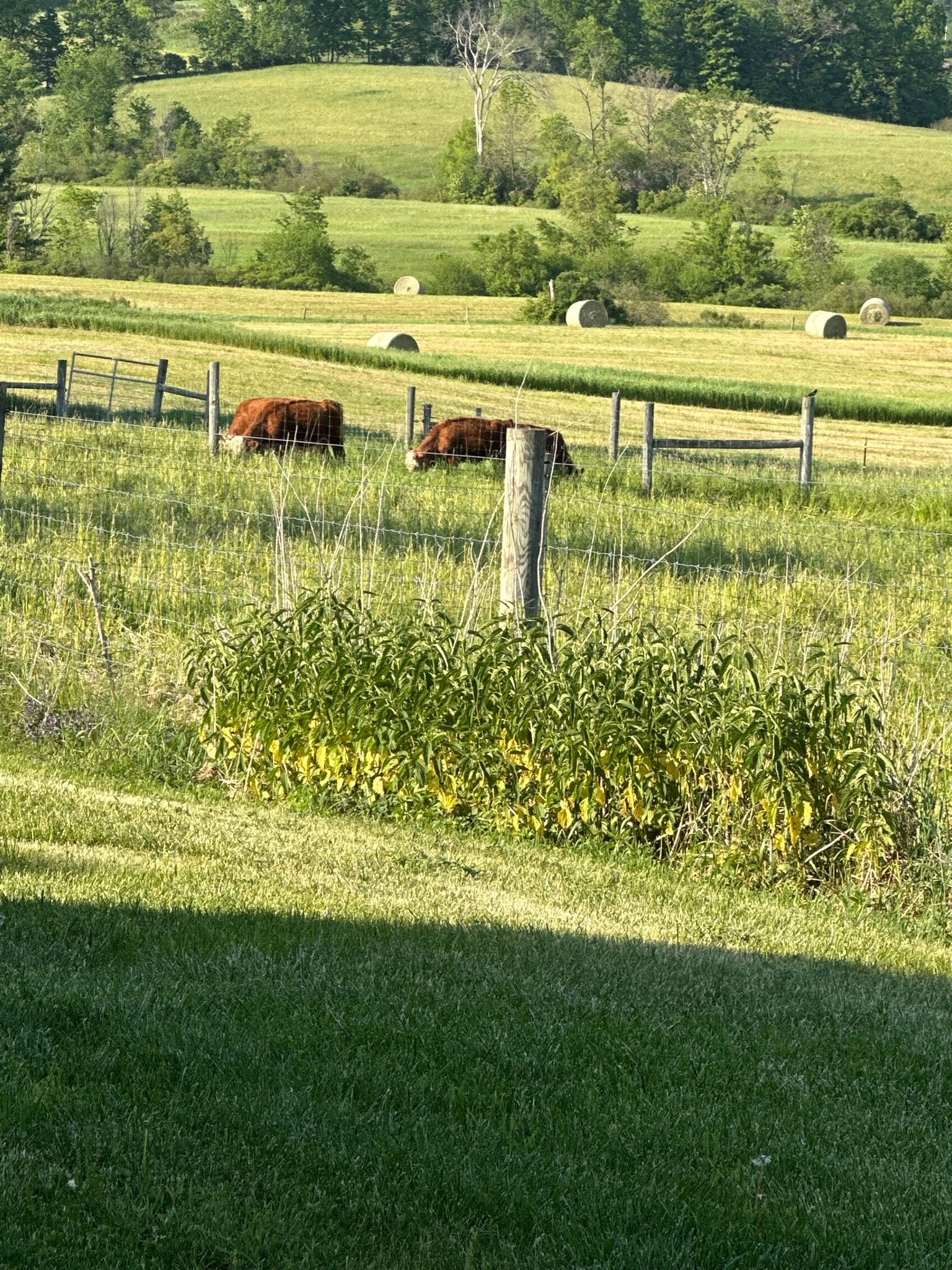
Hay ground, fenceline, and grazing cattle on Kingston Place land in the Champlain Valley
WHY A COORDINATION LAYER

Fragmentation is the bottleneck — not any single stage.

Producers lack scale

Individual operations rarely carry enough consistent volume to reach institutional buyers or premium processing slots on their own.

Processing capacity is scarce

USDA-inspected capacity in the region is limited and unevenly scheduled, and access favors whoever can commit volume furthest in advance.

Buyers cannot verify provenance

Without a shared record from land to harvest, buyers seeking documented regional supply have no consistent way to confirm it.

See how each function operates today — and what's still ahead.

VIEW OPERATIONS →