
Skip to content
REGIONAL ANIMAL-PROTEIN INFRASTRUCTURE, BEGINNING WITH BEEF — CHAMPLAIN VALLEY, VERMONT
Kingston Place logo mark
KINGSTON PLACE
PROCESSING & PRODUCT PATHWAYS

We coordinate processing access around one controlled specification.

Kingston Place controls the specification, scheduling, chain of custody, and product routing across a flexible regional processing network.

THE PATHWAY

WE CONTROL THE
SPECIFICATION.
NOT THE PLANT.

Six steps carry an animal from scheduled arrival to routed finished product. Kingston Place carries the specification, schedule and chain of custody through the entire pathway.

KINGSTON PLACE — SPECIFICATION · SCHEDULING · CHAIN OF CUSTODY CARRIED ACROSS EVERY STEP
01

Livestock Arrival

Aggregated cattle delivered on a scheduled harvest date against a written specification.

KINGSTON PLACE COORDINATED
02

USDA-Inspected Harvest

Performed under federal inspection inside a qualified third-party plant.

THIRD-PARTY FACILITY
03

Fabrication

Primal and sub-primal breakdown to Kingston Place approved cut specifications.

THIRD-PARTY FACILITY
04

Packaging & Grading

Yield and quality grading, labeling, and lot assignment carried against the animal record.

THIRD-PARTY FACILITY
05

Cold Chain

Refrigerated custody from plant dock to delivery, sequenced to the harvest date.

KINGSTON PLACE COORDINATED
06

Channel Routing

Finished product matched to restaurant, institutional, retail, or direct channels.

KINGSTON PLACE COORDINATED
QUALIFIED THIRD-PARTY USDA-INSPECTED FACILITY
USDA-inspected processing performed through qualified third-party facilities.
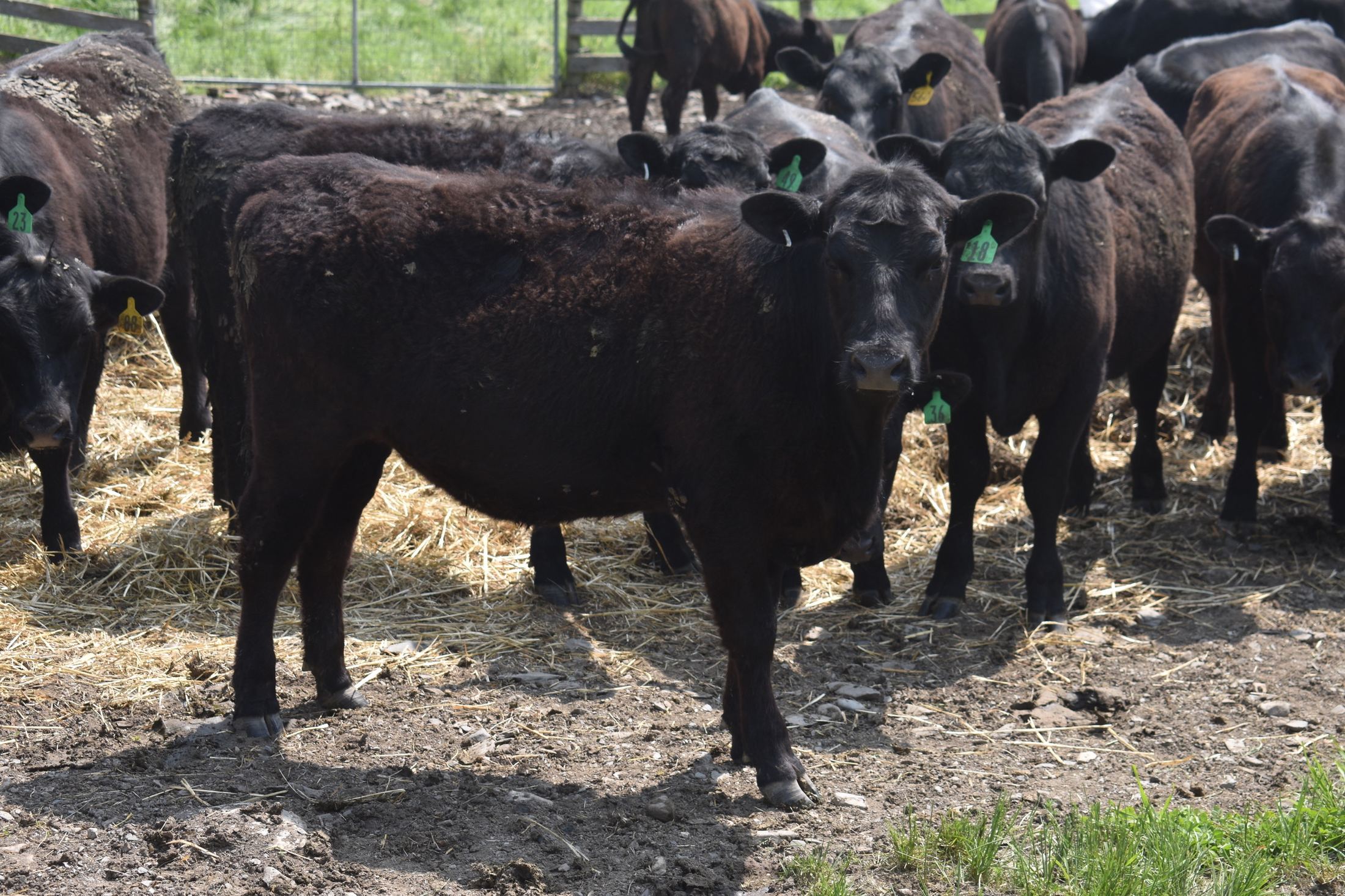
Kingston Place cattle at close range in the working pasture
APPROVED FORMULATIONS

The spec does not change when the facility does.

Approved formulations and cut specifications are defined centrally and travel with the animal record. Product moving through any qualified processing pathway meets the same standard, regardless of which plant performs the work — which is what makes third-party capacity usable at institutional quality rather than merely available.

OPERATIONAL FAQS

Common processor questions.

What a capacity conversation with Kingston Place covers, and how coordination works in practice.

What information does Kingston Place need from a facility?

Inspection status, the services offered — slaughter, fabrication, packaging, cold storage — realistic weekly head capacity, current utilization, and scheduling flexibility. Certifications and any planned expansion are useful context but can follow the first conversation.

How are specifications and scheduling coordinated?

In writing and in advance. Cut and packaging specifications are documented, delivery windows are planned against your schedule, and volumes are coordinated rather than showing up as unpredictable overflow work.

Does Kingston Place only work with USDA-inspected facilities?

USDA-inspected capacity is the primary need, since product moves into wholesale and multi-state channels. Facilities at other inspection stages — or planning an inspection transition — are still worth a conversation, depending on the products and channels involved.

What does a coordination relationship look like commercially?

Planned, scheduled throughput with documented specifications and clear custody records. Commercial terms are discussed directly once capability fit is established; the model is a scheduling partner with predictable volume, not a spot customer.

Operate USDA-inspected capacity in the region? We'd like to talk.

DISCUSS PROCESSING CAPACITY →